

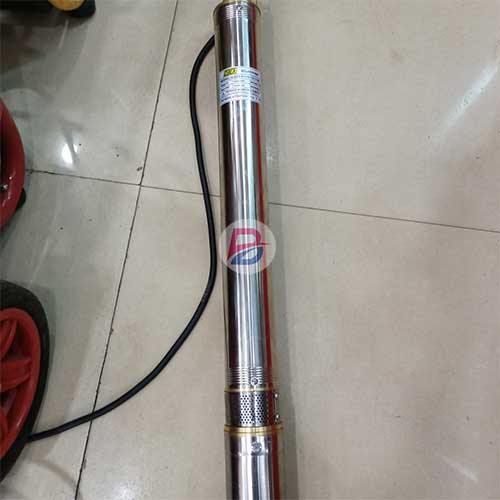
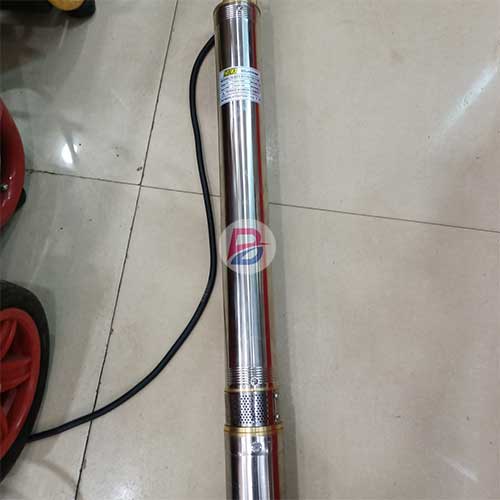
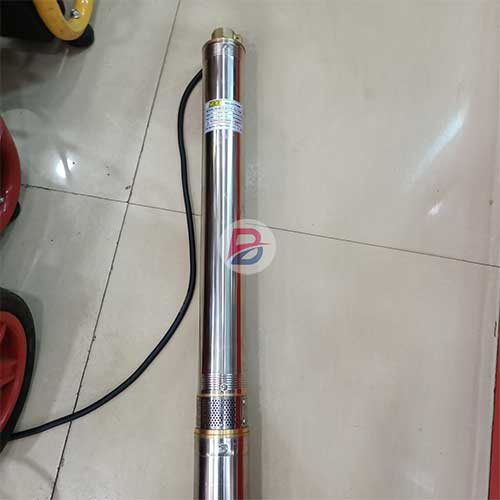
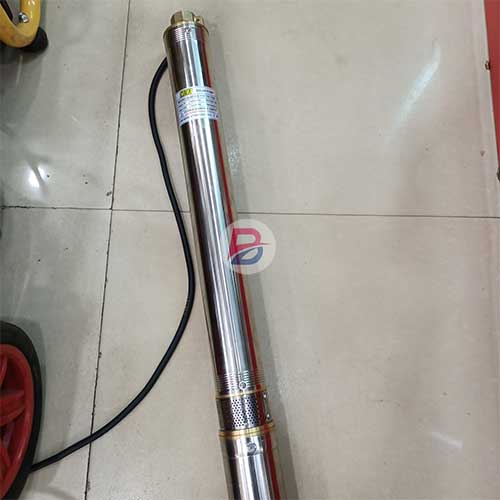
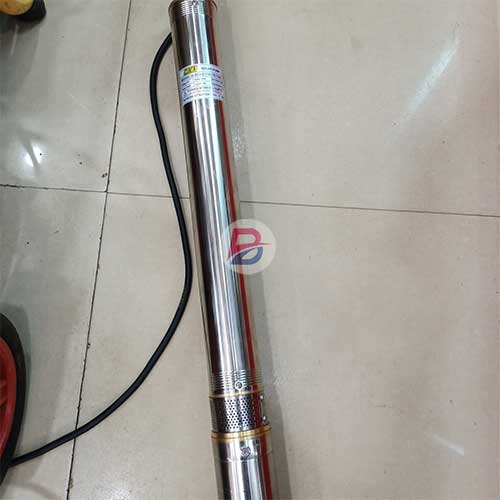
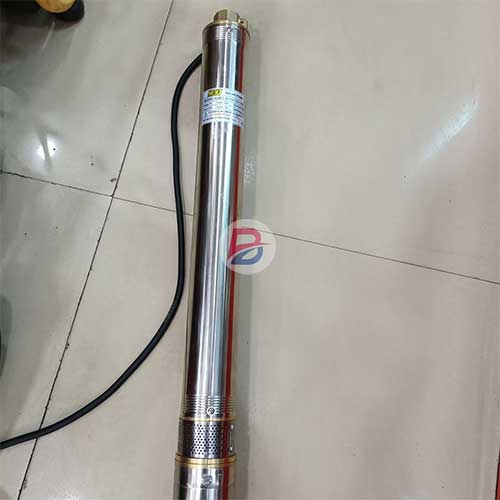
solar water pump suppliers in kenya
SKU.: BC1129
✓ In stock
Solar water pump 110m 1100watts
Looking for solar water pump suppliers in kenya? Businessclaud Kenya has the best quality and original solar water pump suppliers in kenya. Buy Now. Businessclaud Kenya deals with quality and original products and services and the most amizing thing is that we have the fastest delivery in the country.
Buy this Solar water pump 110m 1100watts and get free delivery in the next few hours. Just order it now.
Mechanical pumps have a lot of uses nowadays. They are common in pumping water from wells, aquarium filtering, pond filtering, and aeration. When it comes to water pumps, the main use of this device is the exchange of fluids such as water.
From agriculture to the energy industry, pumps are found in a wide range of applications. The main working principle of a water pump basically depends upon the positive displacement principle and kinetic energy which helps to push the water.
Solar water pumps are a relatively new concept in mechanics. A solar water pump system is commonly seen in residential and commercial uses, as well as for irrigation of agricultural land. Through solar panels, the pump can eliminate the cost of energy and provide a more feasible option that uses energy from the sun (and not fuel-burning mechanisms) for pumping water.
Introducing solar-powered irrigation for poor and remote areas
In times when the entire world is switching to solar, using the sun’s energy in water pumping systems can significantly help and accelerate the development of agriculture in African countries and many other poor remote areas. This concept is known as solar-powered irrigation and is used in many regions nowadays.
The truth is, solar energy might be the easiest way for farmers to produce energy, especially for those living off the electricity grids with poor infrastructure around their homes. Therefore, the use of solar water pumps in agriculture is becoming increasingly popular. The concept of solar irrigation represents a virtuous circle—when the sun shines, it feeds the irrigation system and feeds the crops which are dependant on water in sunny weather. Therefore, a large quantity of energy is being released right at the time when it is needed the most.
Solar irrigation is a concept that works through solar water pumps. Below, we are describing them in detail.
What is a solar water pump and what are the most popular types?
As we discussed before, solar pumps present a clean, simple, and energy-efficient alternative to traditional electric and fuel-driven pump sets. They are part of an environmentally friendly approach in agriculture and can be used to exploit every region, whether it's developed or poor.
Due to their immense potential for productive use and agricultural productivity, solar water pumps are now powering more and more agriculture projects. Knowing that 40% of the global population relies on agriculture as its main source of income, access to water remains an ongoing struggle for many people. This is what solar aims to change and introduce a cost-effective future for around 500 million small-scale farmers all around the world.
The main components in a solar pumping system include a photovoltaic (PV) array, an electric motor, and a pump. Solar water pumping systems, on the other hand, are classified as either direct current (DC) or alternating current (AC) systems based on their motor’s ability. Recently, the concept of brushless DC (BLDC) motors for solar pumping water applications was presented as well.
Classification and types of solar pumps
When it comes to stand-alone solar pumping systems, the main types include rotating and positive displacement pumps. Centrifugal pumps are the common choice for rotation and are designed for fixed head applications. Their output increases in proportion to their speed of rotation.
Additionally, pumps are also classified as submersible and surface pumps, based on their placement (underwater and above the waterline).
All in all, the main aspect related to the efficiency of a solar water pump is based on three variables including pressure, flow, and input power to the pump. Wire-to-water efficiency is the commonly used metric that determines the overall efficiency of a solar water pump (as the ratio between the hydraulic energy that comes out of the pipe and the energy coming over the electrical wires through solar panels).
Why solar-powered water pumps are the ideal way to boost agriculture in remote areas (And Africa)
A solar-powered water pump is a concept that is environmentally friendly. More importantly, it is a concept that gets rid of any power grids or fossil fuels used to pump water out of the ground. Below, we are listing the advantages and disadvantages of their use.
Advantages of solar water pumps
The first advantage of solar pumps is that they are reliable in regional and remote areas. A perfect example of this is Africa, which is one of the poorest remote regions in the world with an abundance of water—but also the most dominant region when it comes to most days of sun in the year. On the flip side, Africa is thought to possess 9% of the world’s freshwater resources which translates to around 4,000 km3 of water per year. Deploying solar water pumps in Africa is, therefore, the perfect alternative to any other fuel-based sources—and an alternative that can stimulate life in every part of this continent.
Easy to transport and relocate, solar water pumps can be organized as per the needs of the farm and have extremely low operating costs. Both of these are major advantages, paired with their cost-efficiency in the long run, show that a solar water pumping system is the perfect solution for regions with sunny days and plenty of water on their grounds.
Major disadvantages
The main disadvantage of deploying a solar-powered irrigation pump for agriculture is its cost (initial investment).
Are solar water pumps worth the investment?
One important thing to note when it comes to solar pumps and irrigation systems is the fact that their costs have dropped significantly in the past few years. According to new research from the International Renewable Energy Agency (IRENA), there will be a 59% cost reduction for electricity generated by solar PV by 2025 compared to the 2015 prices.
As such, the economic viability of these systems varies for different regions and areas, mostly depending on site conditions, crops, and markets. An infographic from The World Bank shows that in 1997, the average price of deploying solar energy per watt was $76. In 2015, that price was $0.3 which clearly showcases the drop in prices. Now, a solar panel has an average lifespan of 25 years, and compared to diesel pumping, it lacks any fuel and presents less operation and maintenance. The only disadvantage is its initial cost which is around two times higher compared to diesel water pumping systems.
Price is also a key differentiator when it comes to returns on investment (ROI). The key aspect that determines the economic viability (the factor associated with the worth of solar water pumps as an investment) is how the solar-powered systems compared with other forms of energy.
Generally speaking, diesel pumps have low initial investment costs but are also associated with high operation and maintenance costs, not to mention their negative impact on the environment and ecology. In contrast to this, a solar water pumping system has higher investment costs but lower maintenance and operational costs.
So, the key takeaway of the “is it worth it” question is the following…
If you are based in a region with plenty of suns and a lot of groundwater, a solar water pumping system is definitely recommended. Despite the initial installation costs, lower maintenance costs, and a higher lifespan will give you an up-and-running system set in no time, clean water, and many benefits in the long run.
How to buy an efficient solar water pump?
As we mentioned above, the investment costs associated with buying solar water pumps are coming down in the past few years. However, the factors which influence the efficiency of a solar water pump are numerous and include:
- Economic viability
- Access to money
- Installation, operation, and maintenance
- Standardization and quality control of products and service
- Water management
- Social justice
Considering these factors, we can say that solar water pumping can provide significant environmental and socio-economic benefits at the farm and national levels. At the farm level, the technology can present a reliable source of energy in remote areas—and especially areas that are not connected to the electricity grid or lacking a regular supply of liquid fuels. On a national level, solar water pumping can help stabilize, increase and diversify agricultural production, which is the foundation of most African countries’ economies.
By definition, an efficient solar-powered water pumping system is one that receives plenty of sunlight and is installed specifically to the needs of the farm.
- In a world where there is a current energy crisis, there is a strong drive towards renewable energy. Despite the costs which are relatively higher, the real efficiency of solar systems is seen in their use over the years. As a renewable energy option, the exploitation of solar energy is a valuable option.
The focus of deploying solar water pumping is obviously set to South Africa and regions with poor economic development but plenty of sunlight. Paired with the right environmental conditions, the right amount of PV panels and controllers, and the right installation setup of energy storages, converters, inverters, pumps, and motors—the solar water pumping system can present a farm and a nation with numerous benefits.
People also ask the following questions about Solar Water Pumps
What are the key features of a solar water pump?
➤ A solar water pump is designed to harness solar energy to pump water from a water source, such as a well, pond, or reservoir, to desired locations for various applications. Key features may include photovoltaic panels to capture sunlight, a pump mechanism to move water, and control systems for efficient operation.
How does a solar water pump work?
➤ A solar water pump operates by converting sunlight into electricity through photovoltaic panels. This electricity powers the pump, which draws water from a source and delivers it to the desired location through pipes or hoses. Solar water pumps operate without the need for grid electricity, making them ideal for remote or off-grid locations.
What are the advantages of using a solar water pump?
➤ Using a solar water pump offers several advantages, including reduced energy costs, environmental sustainability, and independence from grid electricity. Solar water pumps require minimal maintenance and can operate silently and efficiently, making them suitable for a variety of applications, including irrigation, livestock watering, and residential water supply.
Is a solar water pump suitable for my location?
➤ Solar water pumps are suitable for a wide range of locations, including remote or off-grid areas where access to electricity may be limited or costly. However, factors such as sunlight availability, water source depth and quality, and water demand should be considered when determining the suitability of a solar water pump for your specific location and needs.
Where can I purchase a solar water pump?
➤ You can purchase a solar water pump online on Businessclaud. We offer a selection of original and high-quality solar water pumps from reputable manufacturers, ensuring reliability, efficiency, and durability for your water pumping needs. Click "Buy Now" to explore our collection!
Can a solar water pump be used for agricultural irrigation?
➤ Yes, solar water pumps are commonly used for agricultural irrigation, providing a sustainable and cost-effective solution for watering crops, orchards, and gardens. Solar water pumps can be configured to operate with drip irrigation systems, sprinklers, or other irrigation methods to optimize water use and crop yield.
Are there different types of solar water pumps available?
➤ Yes, there are different types of solar water pumps available to suit various applications and water pumping requirements. These may include submersible pumps for deep wells or reservoirs, surface pumps for shallow water sources, and specialized pumps for specific purposes such as livestock watering or fountain circulation.
More Details about Solar Water Pump
➤ Introducing the Solar Water Pump – the eco-friendly solution to your water pumping needs! Designed to harness the power of the sun, this innovative pump allows you to efficiently and sustainably move water without relying on traditional electricity or fuel sources. Here's why it's perfect for your home, farm, or irrigation system:
➤ Environmentally Friendly: The Solar Water Pump operates entirely on solar energy, making it a clean and renewable alternative to conventional pumps. By harnessing sunlight to power the pump, you can reduce your carbon footprint and minimize reliance on fossil fuels, helping to protect the environment for future generations.
➤ Off-Grid Operation: With no need for grid electricity or fuel, the Solar Water Pump is ideal for remote or off-grid locations where access to traditional power sources may be limited or costly. Whether you're pumping water for irrigation, livestock, or household use, this pump provides a reliable and sustainable solution wherever you need it.
➤ Versatile Applications: From agricultural irrigation and livestock watering to residential water supply and pond management, the Solar Water Pump is suitable for a wide range of applications. With various models available, you can choose the pump size and capacity that best suits your specific needs and water requirements.
➤ Low Maintenance: Unlike traditional pumps that require regular maintenance and servicing, solar-powered pumps are virtually maintenance-free. With no moving parts or complex mechanical systems to worry about, you can enjoy years of trouble-free operation with minimal upkeep, saving you time and money in the long run.
➤ Easy Installation: Installing the Solar Water Pump is quick and easy, with no complicated wiring or setup required. Simply mount the solar panels in a sunny location, connect the pump to the water source and desired outlet, and you're ready to start pumping. Plus, the modular design allows for flexible installation configurations to suit your space and requirements.
➤ Cost-Effective: While the initial investment in a solar water pump may be higher than traditional pumps, the long-term cost savings can be substantial. With no ongoing fuel or electricity costs and minimal maintenance expenses, you can enjoy significant savings on your water pumping operations over time, making it a smart and cost-effective investment.
➤ Whether you're looking to reduce your environmental impact, save on energy costs, or simply enjoy the convenience of off-grid water pumping, the Solar Water Pump offers a reliable, efficient, and sustainable solution for all your water pumping needs. Say goodbye to fossil fuels and hello to clean, green water pumping with the power of the sun!
🎯 Order Now! Click "Add to Cart" and experience the power of
solar water pump suppliers in kenya!
Or check out our Other Options
to complete your shopping experience!
| Stars | Percentage |
|---|---|