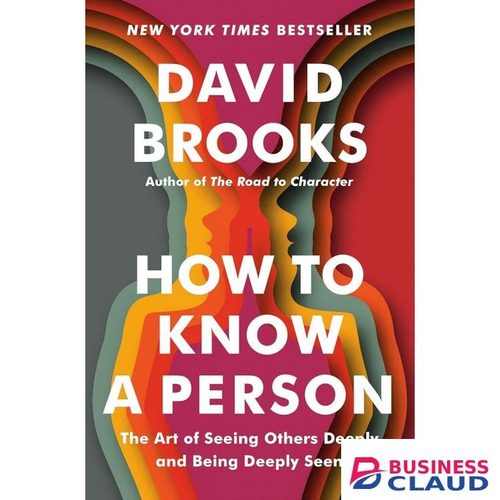
How to Know a Person: The Art of Seeing Others Deeply and Being Deeply Seen
By David Brooks
Overview
How to Know a Person is a practical and reflective exploration of human connection, emphasizing the importance of truly seeing, hearing, and understanding others. David Brooks, known for his work on character and the inner life, outlines skills and mindsets that help people create deeper, more meaningful relationships—at home, at work, and throughout society687.
Core Purpose
At its heart, the book is designed to help readers move from surface-level interactions to genuine understanding. Brooks introduces the concept of becoming an "Illuminator"—someone marked by persistent curiosity and the craft of understanding others.
He argues this is not only a social skill, but a core to fulfilling relationships and a humane society:
“The ability to see each other, to know other people, to make them feel valued, heard and understood, is the skill at the center of any healthy family, company, classroom, or nation.”687
Book Structure
| Part | Focus |
|---|
| 1. I See You | Tools and best practices for making people feel seen and heard156. |
| 2. I See You in Your Struggles | Applying these skills to understand people in pain, struggle, or disagreement156. |
| 3. I See You With Your Strengths | Helping people articulate their stories and realize their potential156. |
Each part blends research, anecdotes, psychological frameworks, and practical advice.
Main Insights and Skills
1. Becoming an Illuminator
Show Persistent Curiosity: Rather than making assumptions, ask questions that invite people to share what truly matters to them1.
Listen for Meaning: Move beyond surface details. Pay attention to stories, emotional tones, decisions at crossroads, and what people value35.
Distinguish Conversation Modes:
Comment-making: transactional or analytical dialogue.
Storytelling: seeking and giving personal stories, which build empathy and understanding3.
2. Navigating Social Complexity
Empathy Spectrum: Brooks describes a range from low (indifference or harm) to high (intuitive listeners and supporters), encouraging self-assessment and growth3.
Ask the Right Questions: Focus on open-ended, compassionate questioning rather than interrogation or superficial chit-chat5.
See Individuality in Every Person: Let go of stereotypes; look for unique backgrounds, strengths, and challenges62.
3. Deepening Connection and Resilience
Share Life Stories: Inquire about formative events and listen actively—helping others craft meaning from their experiences5.
Handle Disagreement and Difference Gracefully: Engage those with differing views in a spirit of understanding, not confrontation.
Acknowledge and Validate: Recognize others’ emotions and strengths as real and important.
Practical Takeaways
Build Deep Rapport: Use presence, genuine interest, and attentive body language to foster openness.
Combat Social Fragmentation: Brooks suggests this kind of presence is a remedy for modern isolation, misunderstanding, and societal division87.
Joy of Being Seen: Practicing these skills brings personal fulfillment and healthier communities85.
Who Will Benefit
Anyone seeking more fulfilling relationships at work or home
Leaders, teachers, and professionals aiming to improve team dynamics or culture
Readers drawn to the intersection of philosophy, psychology, and communication
Notable Praise
“More than a guide to better conversations, it’s a blueprint for a more connected and humane way of living.” – Bill Gates8