

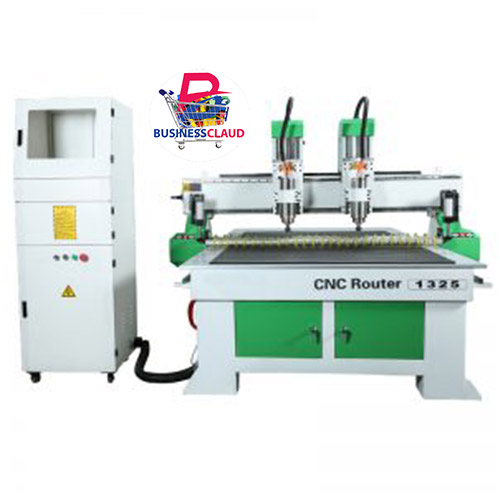
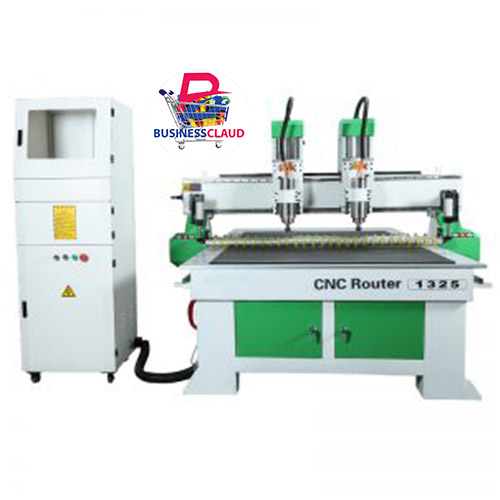
Cnc Routers
Frequently Asked Questions about CNC Router
1. What is a CNC Router?
A CNC (Computer Numerical Control) router is a machine that uses computer programming to control the cutting, shaping, and drilling of various materials like wood, plastic, and metal. It is commonly used in industries such as woodworking, manufacturing, and signage production for precise and automated operations.
2. What materials can a CNC Router cut?
A CNC router can work with a wide range of materials including:
- Wood (softwood and hardwood)
- Plastics (acrylic, polycarbonate, PVC)
- Metals (aluminum, brass, copper, mild steel)
- Foam and composites
- Fiberglass
- Other non-metallic materials
3. What are the main uses of a CNC Router?
CNC routers are used for:
- Woodworking: Creating furniture, cabinetry, doors, and intricate carvings.
- Sign-making: Cutting and engraving letters, logos, and designs on sign materials.
- Metalworking: Shaping metal parts and components for manufacturing and prototyping.
- Art and sculpture: Crafting custom designs and 3D shapes in various materials.
- Prototyping: Designing and fabricating custom parts for engineering and manufacturing.
4. How accurate is a CNC Router?
CNC routers are known for their high level of precision. The accuracy can vary based on the specific model and calibration, but most modern CNC routers can achieve tolerances within ±0.01 mm to ±0.05 mm. This makes them ideal for detailed and precise cutting work.
5. What are the different sizes of CNC Routers?
CNC routers come in various sizes, including:
- Desktop CNC Routers: Small and compact for hobbyists or small-scale projects.
- Mid-Size CNC Routers: Suitable for medium-sized businesses or larger projects.
- Industrial CNC Routers: Large, heavy-duty machines built for industrial production with large bed sizes and high-speed capabilities.
6. Can a CNC Router be used for 3D carving?
Yes, a CNC router can be used for 3D carving by moving along multiple axes (X, Y, and Z axes). This allows it to create complex, three-dimensional shapes from various materials.
7. What software is needed to operate a CNC Router?
To operate a CNC router, you typically need two types of software:
- CAD (Computer-Aided Design) software for creating the design or model.
- CAM (Computer-Aided Manufacturing) software for converting the design into machine code (G-code) that instructs the CNC router how to move and cut.
8. How do I maintain a CNC Router?
Proper maintenance is essential for optimal performance and longevity. Basic maintenance includes:
- Regular lubrication of moving parts to prevent wear and tear.
- Cleaning the machine bed and spindle area to remove debris and dust buildup.
- Inspecting belts, bearings, and lead screws for wear and replacing them as needed.
- Calibrating the machine periodically to ensure accuracy and precision.
9. Is CNC Router suitable for beginners?
CNC routers can be used by beginners, but there is a learning curve, especially with the software and machine setup. Many models come with user-friendly interfaces, tutorials, and guides to help new users get started. As long as the user is willing to learn, CNC routing can be accessible even for beginners.
10. How much does a CNC Router cost?
The cost of a CNC router varies widely based on size, power, and functionality:
- Desktop CNC routers for hobbyists can start as low as $500 to $2,000.
- Mid-size CNC routers can range from $3,000 to $15,000.
- Industrial CNC routers can cost anywhere from $15,000 to over $100,000 depending on the features and capabilities.
11. What are the advantages of using a CNC Router?
The advantages of using a CNC router include:
- Automation: Once programmed, the machine operates autonomously, increasing productivity.
- Precision: CNC routers offer high accuracy for detailed work.
- Versatility: They can work with multiple materials and create both 2D and 3D designs.
- Consistency: The automated process ensures uniform results across multiple projects.
- Time-saving: CNC routers significantly reduce production time compared to manual methods.
12. How do I choose the right CNC Router?
Choosing the right CNC router depends on several factors:
- Material: Consider the types of materials you’ll be working with (e.g., wood, metal, plastic).
- Size: Determine the machine size based on the size of the projects you plan to undertake.
- Budget: Decide on a budget that meets your requirements while offering the features you need.
- Software Compatibility: Ensure the CNC router is compatible with the CAD/CAM software you plan to use.
- Precision and Power: Consider the level of accuracy and power needed for your specific tasks.
13. Where can I purchase a CNC Router?
To purchase a CNC router, simply press the "Buy Now" button on the Businessclaud product page. For more information or assistance, you can contact us at 010-100-1101 or via email at [email protected]. We offer a wide range of CNC routers for various industries with free delivery.
🎯 Order Now! Click "Add to Cart" and experience the power of
Cnc Router!
Or check out our Heavy Machinery
to complete your shopping experience!
| Stars | Percentage |
|---|---|